
Introduction
Online education has never been this dynamic. In 2025, AI isn’t just assisting creators—it’s leading the creative process. From scripting to video production, artificial intelligence is transforming how online courses are built, marketed, and delivered.
For freelancers, SaaS educators, and creator businesses, this shift means less time on manual work and more time focusing on strategy, branding, and community. In this post, we’ll explore the top ways AI is revolutionizing course creation this year and how you can use it to scale smarter.
1. Smarter Course Planning with AI Research Assistants
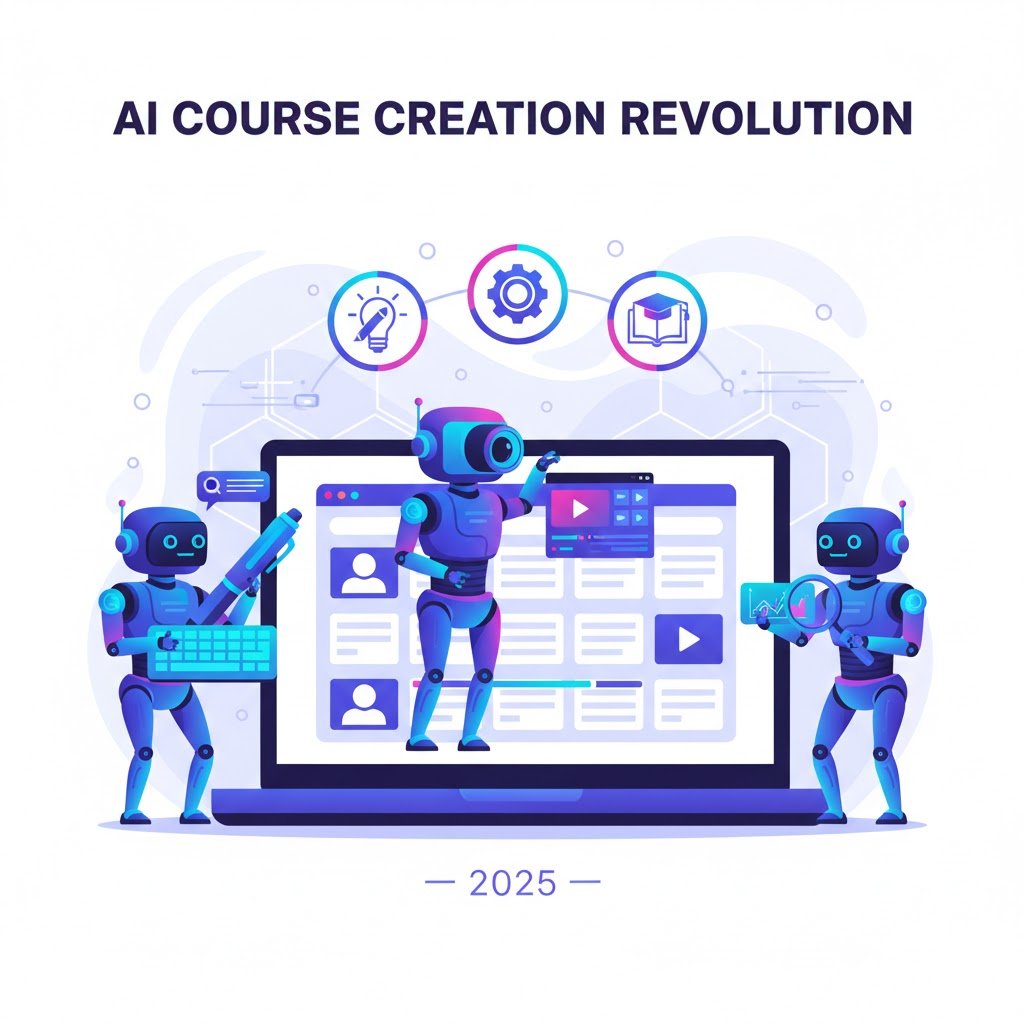
Gone are the days of spending hours researching topics or structuring modules. Tools like ChatGPT, Jasper, and Notion AI now help educators brainstorm ideas, organize lesson outlines, and even suggest course structures tailored to specific audiences.
By analyzing trends, social media discussions, and keyword data, these AI assistants identify what learners are actively searching for. This allows course creators to design relevant and in-demand lessons that attract paying students from day one.
2. AI-Powered Scriptwriting and Storytelling
Creating compelling scripts is often the most time-consuming part of course production. In 2025, AI-driven writing tools like Writesonic, Copy.ai, and Claude have made it effortless to turn bullet points into engaging, easy-to-follow narratives.
These tools adapt to your tone—whether professional, educational, or conversational—and help creators produce scripts that sound natural and relatable. The result: better retention and more binge-worthy content for students.
3. Automated Video Creation and Voiceovers
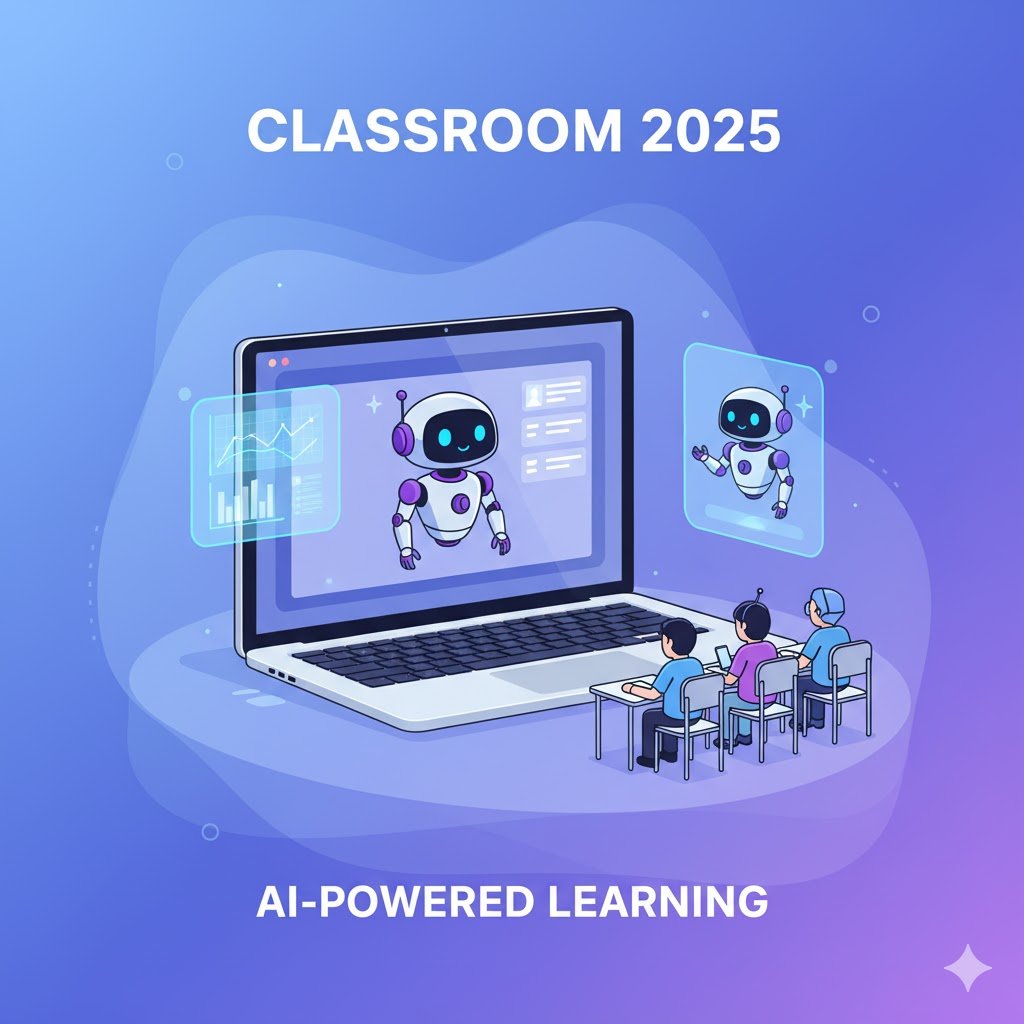
One of the biggest revolutions in 2025 is AI-generated video production. Platforms such as Synthesia, Pictory, and HeyGen can now convert text into lifelike video lessons complete with animated instructors and realistic voiceovers.
This means you can create a full-fledged video course without needing to record yourself on camera. It’s a game-changer for camera-shy creators or teams with limited production budgets.
AI voices have also reached a point where they sound genuinely human—adding warmth and clarity that enhances the learning experience.
4. Personalized Learning with Adaptive AI Systems
AI is not only helping creators but also improving how learners consume courses. Adaptive learning platforms like LearnWorlds, Docebo, and Teachable AI adjust lessons in real-time based on each student’s performance and behavior.
For example, if a student struggles with a topic, the system automatically provides extra resources, practice exercises, or simplified explanations. This makes online learning far more personal and effective than one-size-fits-all courses.
5. AI in Visual Design and Branding
Design is key to standing out—and AI is taking it to new heights. Tools like Canva Magic Studio and Adobe Firefly allow course creators to generate branded thumbnails, promotional images, and presentation slides instantly.
You can describe your course’s theme (“a modern AI learning bootcamp for freelancers”) and watch AI create on-brand visuals in seconds. This visual consistency helps creators build trust and recognition across platforms.
6. Automated Marketing and Funnel Optimization
In 2025, marketing your course is just as AI-driven as creating it. Platforms like HubSpot AI, Systeme.io, and Copylime analyze audience data to optimize email campaigns, landing pages, and pricing strategies.
AI can even predict which audience segments are most likely to convert or unsubscribe. For creators, this means no more guesswork—just data-driven insights that improve ROI and student acquisition.
7. AI Chatbots as Learning Companions
Imagine every student having a personal tutor available 24/7. That’s what AI chatbots are making possible. Integrated into learning platforms, these chatbots can answer questions, explain concepts, and guide students through challenges instantly.
This support not only enhances engagement but also reduces dropouts, making your course more effective and reputable.

8. Course Analytics and Feedback Optimization
Feedback is essential for improving content, and AI is now turning data into actionable insights. Tools like Hotjar AI, Google Analytics 5, and CourseAI can interpret student interactions, watch time, and quiz performance to suggest improvements.
You’ll know which lessons keep learners engaged and where they tend to drop off—allowing you to refine content continuously for maximum impact.
9. Multilingual Course Creation Made Easy
AI translation tools like DeepL, OpenAI Whisper, and Translate.video are helping creators go global. With automatic captioning, voice translation, and cultural adaptation, your course can now reach audiences in multiple languages without hiring translators.
This opens up entirely new markets for freelancers and SaaS educators who want to scale internationally.
10. The Future: Human Creativity Meets AI Efficiency
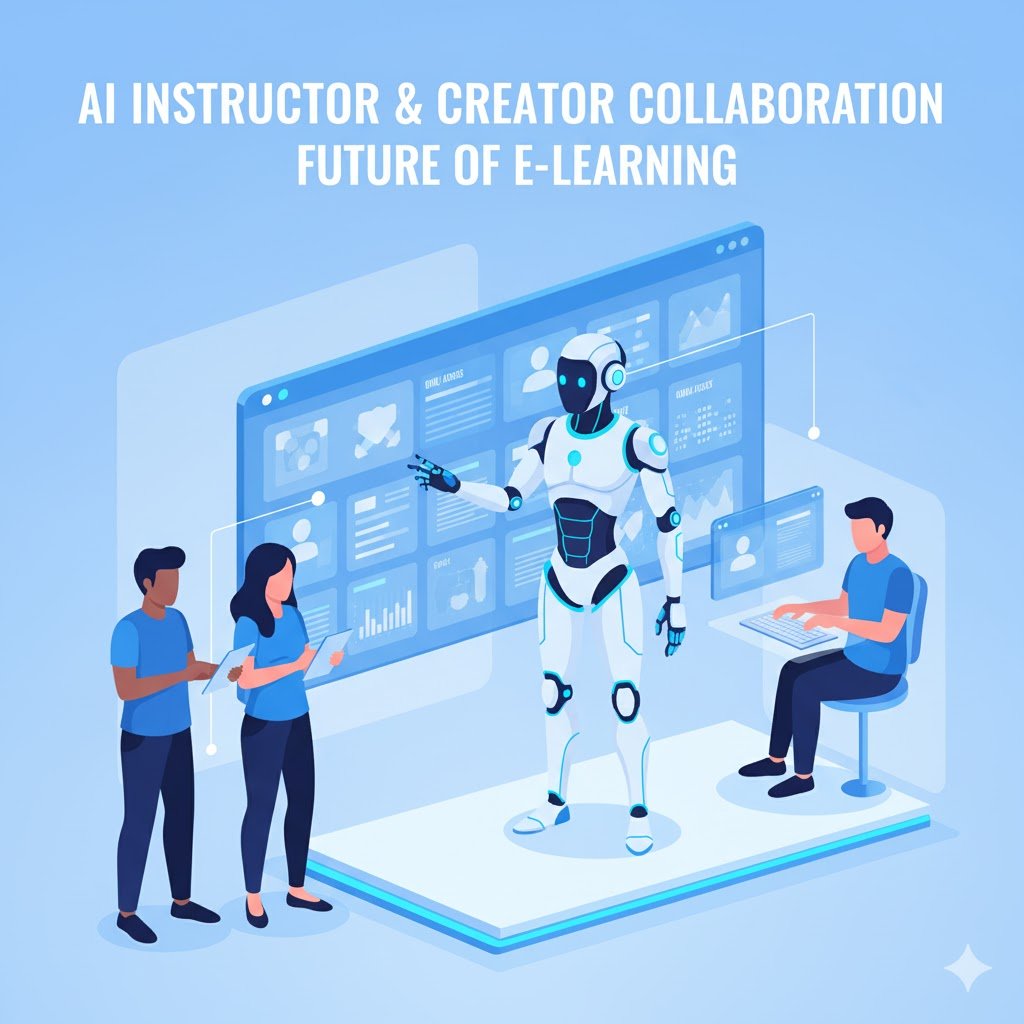
AI won’t replace human educators—it will amplify them. The best online courses in 2025 combine human insight with AI efficiency. Creators who embrace this hybrid model can produce high-quality, scalable, and engaging learning experiences faster than ever before.

Closing Thoughts
The AI revolution in course creation isn’t about replacing teachers—it’s about freeing them to focus on what they do best: teaching, inspiring, and connecting.

By embracing AI tools, online educators can build courses faster, smarter, and more profitably—turning their knowledge into sustainable digital assets that grow automatically over time.
Call-to-Action
If you’re building your next online course, start exploring AI tools today. And if you need ready-to-use social media templates to promote your course—check out UseVisuals for free, professional designs that make your brand stand out.